GEO-TARGETING IN EARLY LAND ACQUISITION
Exhibiting the land the development phase before the first handshake.

OPENING SETUP
Land acquisition still runs on people, trust, and time in the field. That has not changed. What has changed is how quickly information moves and how landowners expect to hear about things that affect them.
Most development teams still rely on a familiar sequence. Mailers go out. A few early calls happen. Word travels unevenly. Some landowners hear too much, others hear nothing. By the time agents knock doors in earnest, narratives have already formed inside the footprint. Some accurate. Some not.
At the same time, nearly every landowner in a project area is already on a phone. They use social platforms daily. They talk. They share. They look things up before they return calls.
That gap between how projects move and how people communicate is where delays often start.
THE FIELD REALITY WE ARE REACTING TO
In early development, the land campaign is usually behind the curve before it even starts.
Maps are clean. Schedules look achievable. But on the ground, landowners are already asking questions before the first agent call. Someone heard something at the co-op. A neighbor saw survey stakes. A rumor fills the silence left by no clear message.
When agents finally make contact, they are not starting at zero. They are correcting assumptions. That costs time and credibility.
The issue is not effort. It is sequencing and reach.
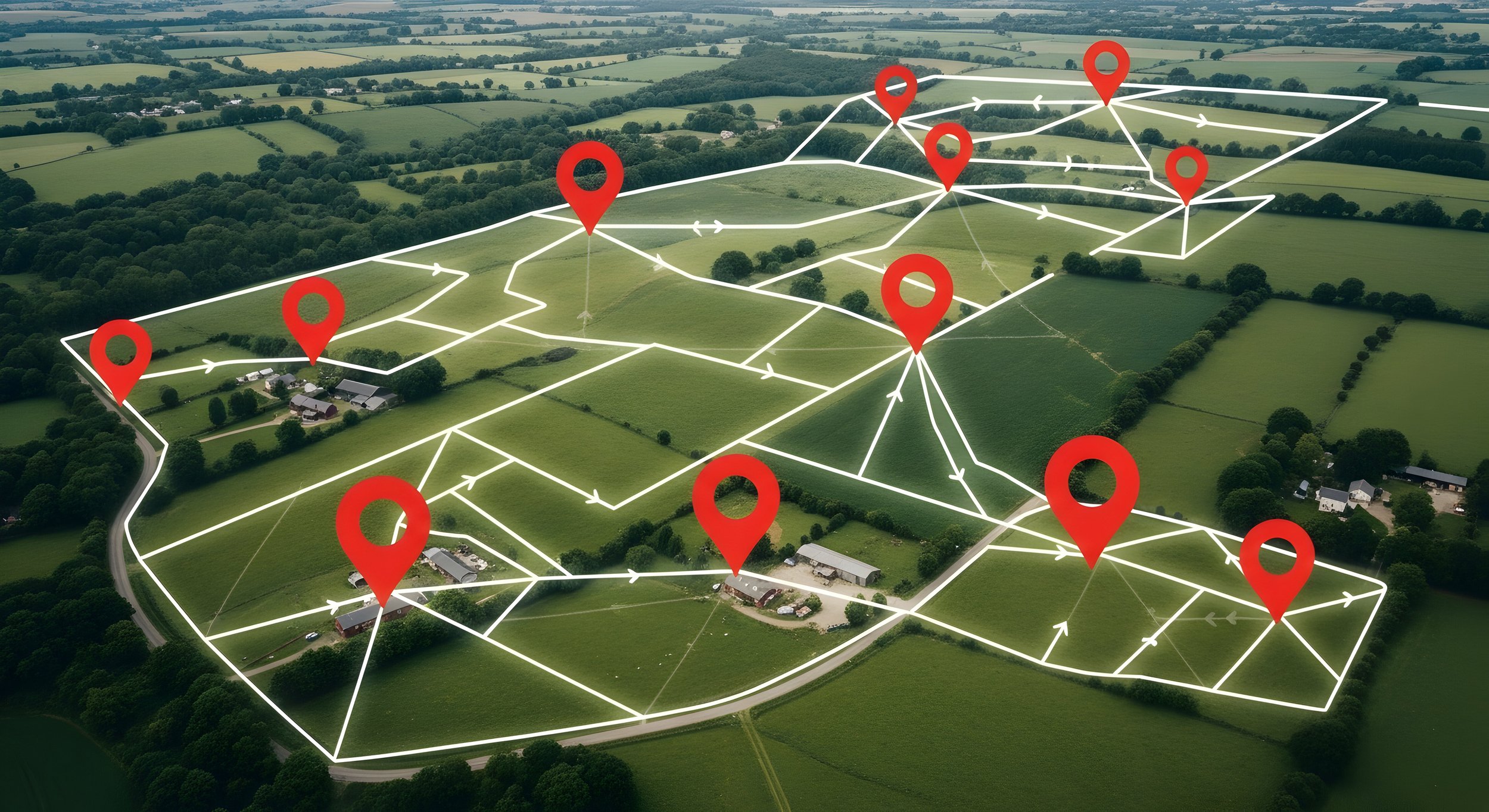
Traditional outreach is linear. One parcel at a time. One conversation at a time. That is necessary work. It is also slow when information is already spreading faster than the campaign.
WHAT GEO-TARGETING COULD CHANGE
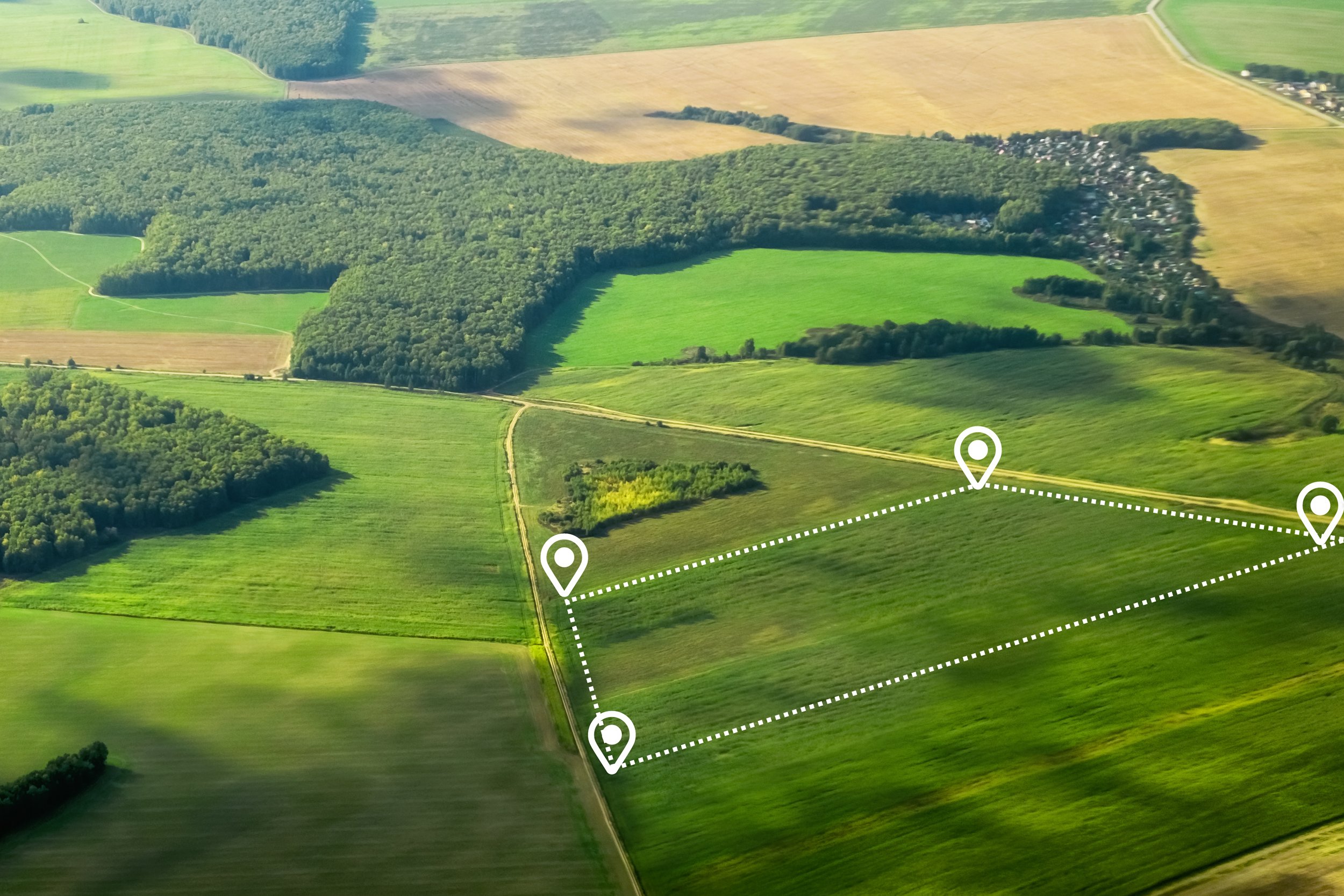
Geo-targeted advertising allows messaging to appear only within a defined geographic area. Not statewide. Not by interest group. Just inside the project footprint or immediate surroundings.
The intent is not promotion. It is awareness.
Used correctly, this kind of outreach could:
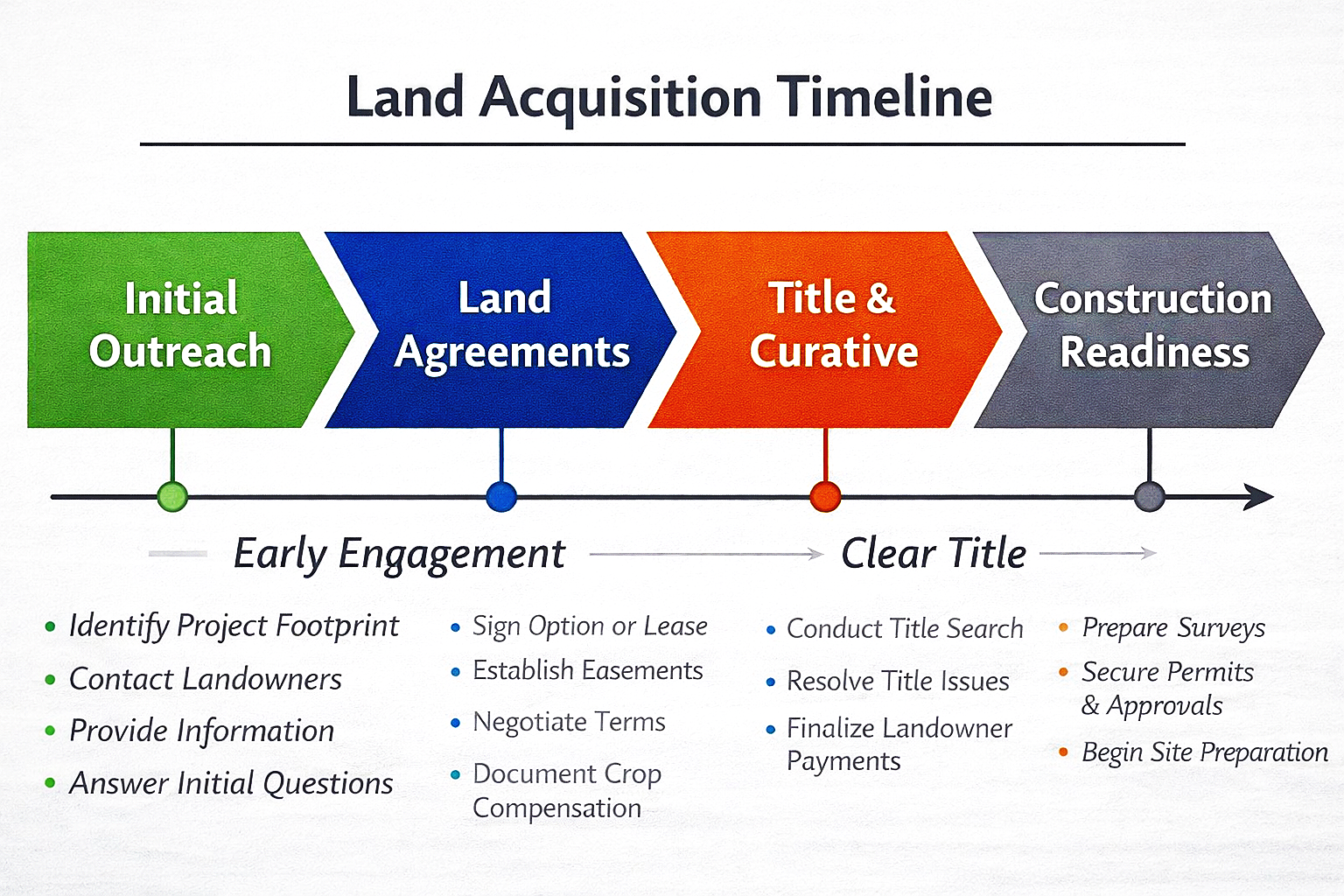
Instead of landowners asking, “Why am I just hearing about this?” the first conversation starts closer to, “I saw something about this. Can you explain how it works?”
That shift alone can save weeks.
• Introduce the project before first contact
• Establish a consistent baseline message
• Reduce surprise when agents call or visit
• Encourage inbound interest from landowners who prefer not to be cold-called
HOW THIS FITS INTO REAL LAND WORK
This only works if it supports field execution rather than trying to replace it.
Geo-targeting does not sign options. It does not walk fence lines. It does not explain restoration or crop loss. People still want a human across the table.
What it can do is clear the fog early.
A simple message. Plain language. No hype. No promises. Just what the project is, where it is generally located, and how landowners can learn more or reach out.
When agents follow up, they are no longer the first voice. They are the next voice.
That matters.

RISKS IF DONE WRONG
There are real risks, and they are the reason this tool needs discipline.
Overly polished messaging can feel corporate and distant. Too much detail can create expectations before terms exist. Poor timing can spook people instead of informing them.
Geo-targeting should never get ahead of land strategy. It should never contradict agent guidance. And it should never attempt to pressure participation.
If landowners sense manipulation or urgency that is not earned, trust erodes fast.
This tool is only as good as the field campaign behind it.
WHERE WE SEE THE STRONGEST USE CASE
Based on our research, the strongest early value appears in three areas.
First, early development where the footprint is large and parcel counts are high. Awareness scales faster than calls.
Second, areas where prior projects or rumors have created skepticism. Clear, consistent messaging can calm speculation before it hardens.
Third, campaigns with tight development windows where inbound interest can materially reduce first-contact lag.
In all cases, geo-targeting works best when paired with prepared agents, consistent terms, and clean follow-through.
THE LESSON EMERGING
Land acquisition delays often come from silence, not resistance.
When people feel informed early, they are more willing to engage. When engagement starts sooner, campaigns move cleaner. When campaigns move cleaner, schedules hold.
Geo-targeting is not a shortcut. It is a way to meet people where they already are while keeping the work grounded in human conversations.
The lesson is not about technology. It is about respecting how information flows today.

FIELD NOTES
Early awareness reduces first-contact friction
Landowners who are not surprised are easier to engage, even if they are cautious.
Messaging must mirror field reality
Digital outreach should sound like a land agent, not a marketing team.Consistency protects credibility
What landowners see online must match what agents say at the kitchen table.Inbound interest saves time
Even a small percentage of proactive landowner outreach can materially compress timelines.Tools do not replace trust
Geo-targeting supports the campaign. It does not carry it.
CLOSING REFLECTION
Land work is still earned parcel by parcel. That will never change. But how people first learn about a project has changed, whether campaigns acknowledge it or not.
Using geo-targeted outreach thoughtfully is not about moving faster at any cost. It is about removing unnecessary friction so the real work can start sooner and cleaner.