
AI DATA CENTERS ARE THE NEW LAND RUSH

How land agents identify and secure viable sites before competitors do
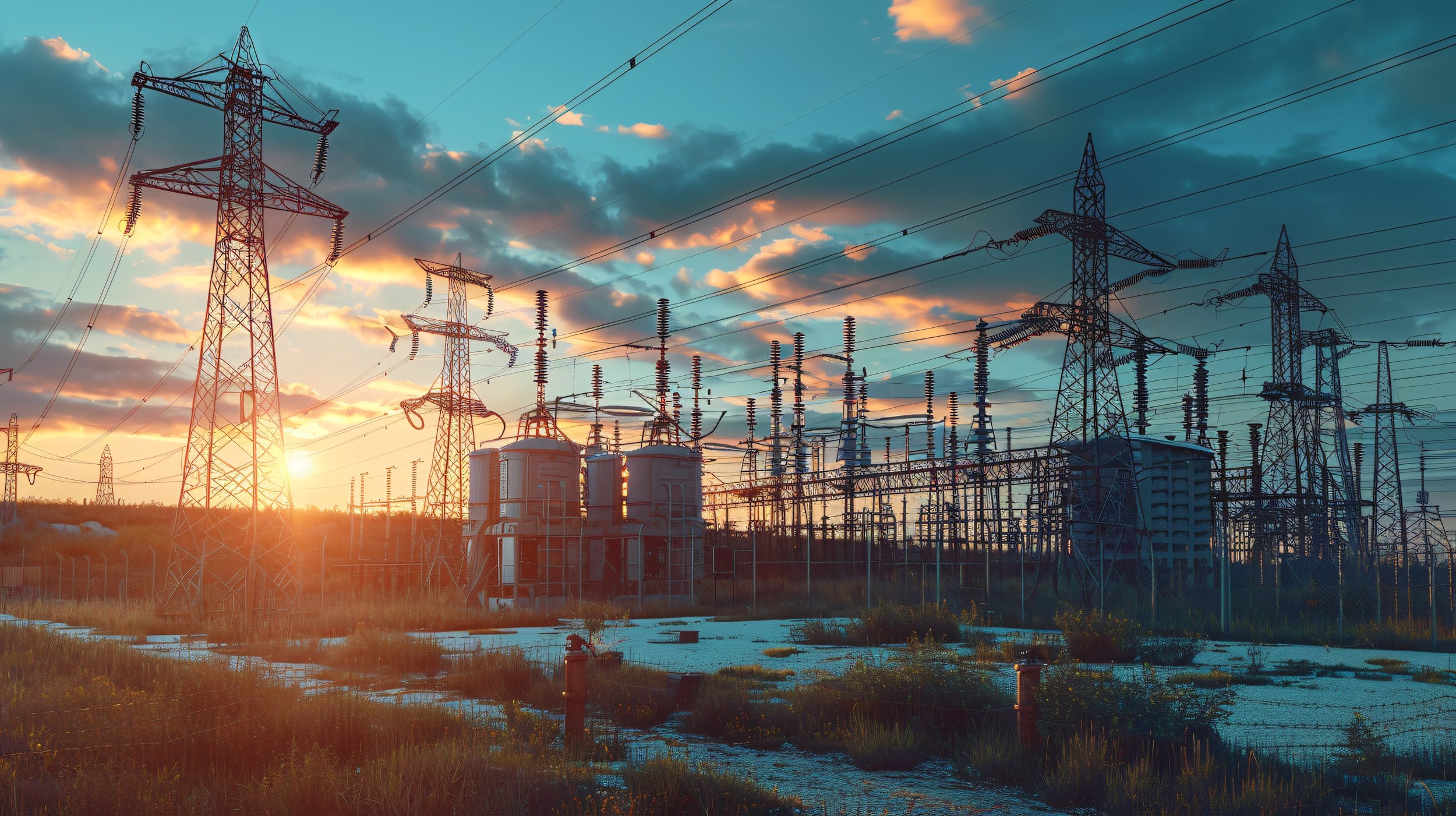
The scramble for AI data center sites feels familiar. Not because the technology is old, but because the pressure is. Power, land, speed, and certainty are back in the same sentence again. Only this time, the timelines are shorter, the capital is heavier, and the tolerance for surprises is near zero.
From the outside, it looks like a power problem. Or a zoning problem. Or a transmission constraint. On the ground, it is still a land problem first.
Teams that understand this early move faster. Teams that don’t end up chasing parcels that were never viable to begin with.
This is where experienced land agents quietly separate winners from everyone else.
THE MYTH OF THE PERFECT SITE
Most AI data center site searches start with a map. Load capacity. Fiber proximity. Transmission lines. County boundaries. Industrial zoning overlays. It looks clean on a screen.
Then the field work starts.
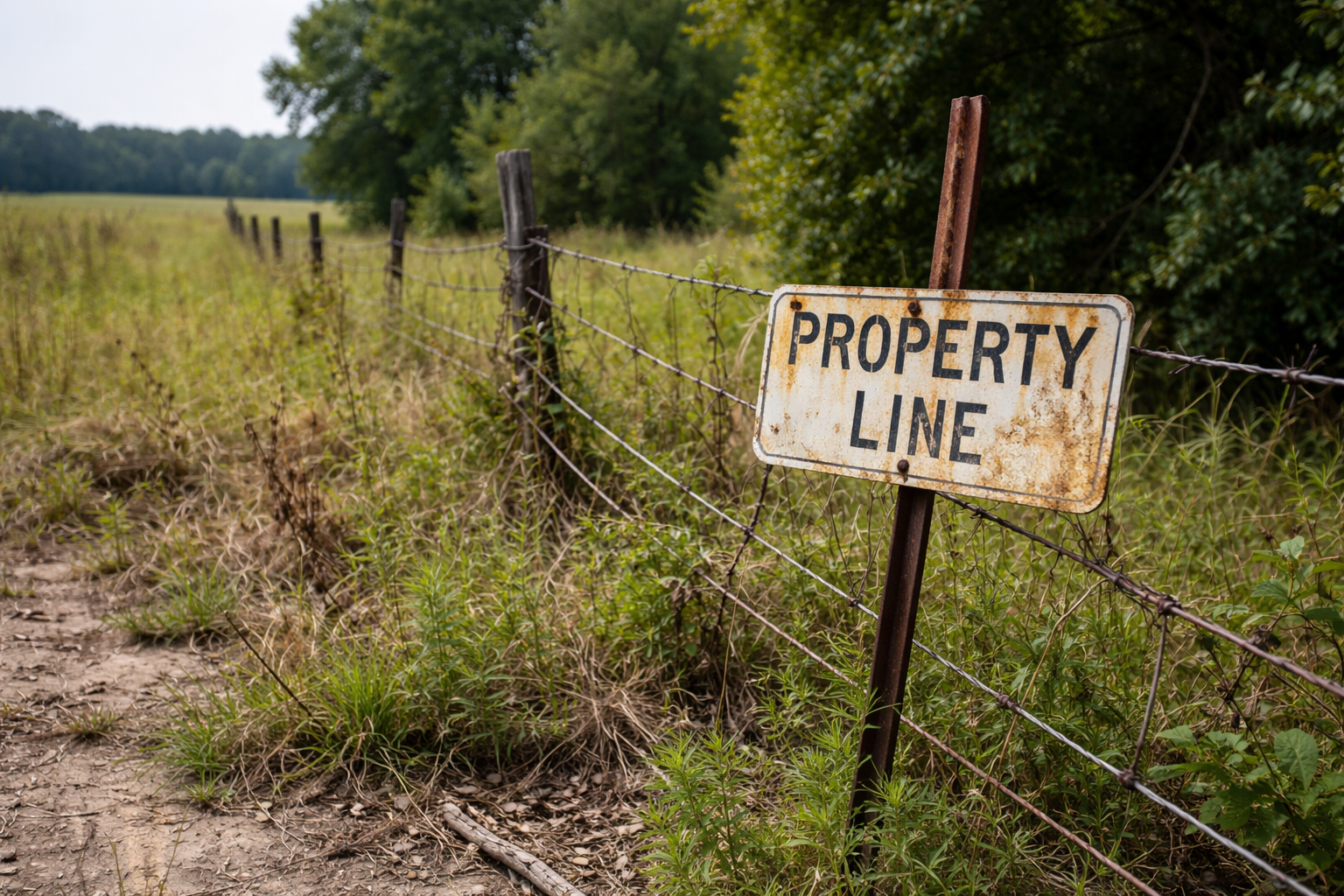
That “ideal” site might be split across eight ownerships. Two of them inherited the land and do not agree with each other. One parcel has a decades-old access easement that was never recorded correctly. Another has a tenant farmer who was promised long-term continuity. The corner parcel is owned by a family trust that has been burned before and does not return calls.
None of that shows up in GIS.
Land agents who have done this work know the map is just the invitation. The real evaluation starts at the fence line and the kitchen table.
EARLY INTEL BEATS LATE NEGOTIATIONS
In competitive AI data center markets, speed does not come from pushing harder later. It comes from learning faster earlier.
Good land agents are not just calling landowners. They are listening for signals. Who answers the phone. Who asks about neighbors. Who immediately brings up taxes, access, or prior offers. Who says “we’ve been waiting for this” versus “we don’t want that kind of traffic.”
Those first conversations tell you whether a site can be assembled cleanly or whether it will bleed time and credibility.
Agents with field experience also know when not to escalate. Not every promising parcel deserves a LOI. Sometimes the smartest move is to walk away before the developer’s name is even attached.
That discipline is what keeps competitors from leapfrogging you later with cleaner sites.
SITE CONTROL IS NOT JUST PAPER
In AI data center development, site control is often treated like a box to check. Get options signed. Lock terms. Move on.
That mindset fails fast in contested markets.
Real site control means the landowner understands what is coming. Construction scale. Utility corridors. Noise. Security. Long-term presence. If those conversations are rushed or glossed over, you may still get signatures, but you lose durability.
Experienced land agents build control by setting expectations early and repeating them consistently. Same message. Same terms. Same explanation, regardless of which agent is talking.
That consistency is what keeps one landowner from calling another and hearing a different story. And that is usually where deals unravel.
COMPETITIVE ADVANTAGE LIVES IN RELATIONSHIPS
In AI data center land rushes, competitors often call the same landowners within weeks of each other. Sometimes days.
Landowners remember who was straight with them and who was vague. They remember who followed through and who disappeared after the first meeting. They remember whether restoration, access, and long-term impacts were addressed or brushed aside.
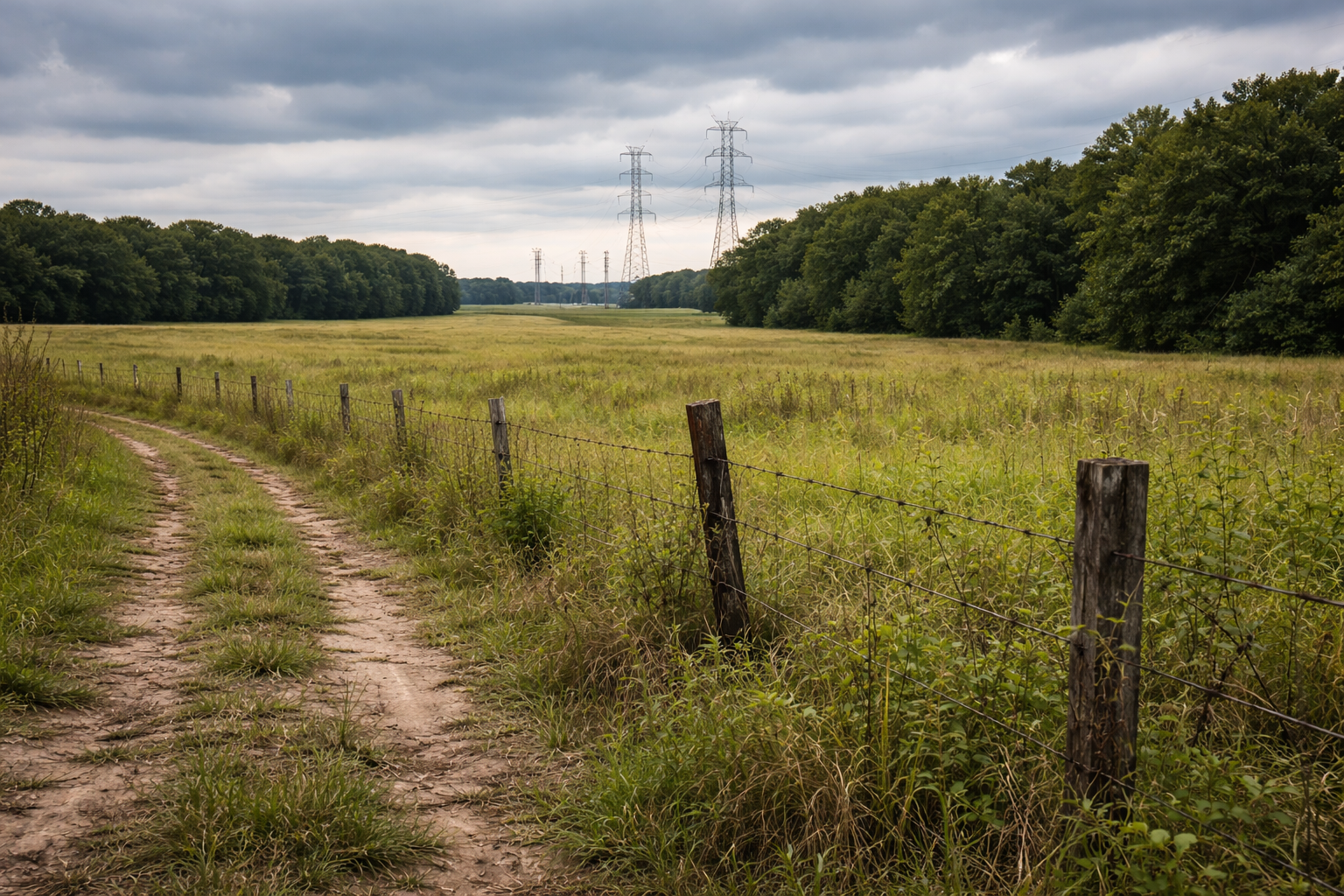
A land agent who has credibility in a region can quietly close doors for competitors without ever saying a word. Not by blocking access, but by earning trust early.
That trust compounds. One signed option leads to a neighbor call. One clean explanation leads to a referral. Momentum builds parcel by parcel.
By the time competitors show up, the path is already defined.
CURATIVE AND ACCESS ISSUES SURFACE FIRST IN THE FIELD
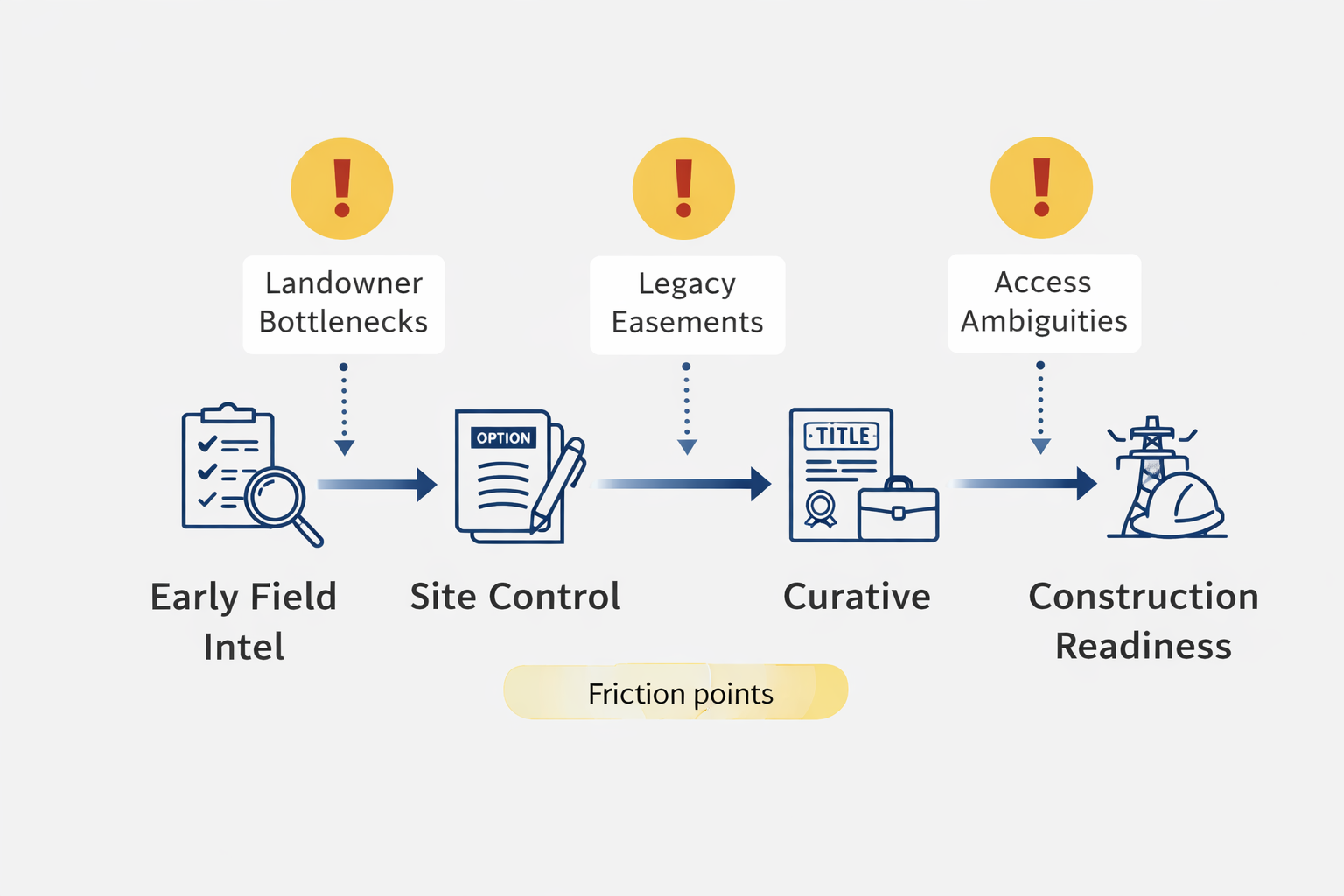
AI data center timelines do not leave room for late-stage curative surprises. Title gaps, access ambiguities, and legacy easements need to be identified before capital is committed.
Field-driven land agents flag these issues early because they ask different questions. How do you get equipment back here today? Who maintains this road? Has anyone ever disputed this boundary? Why is that fence where it is?
Those answers guide legal and title teams before they are under deadline pressure. That coordination saves months, not days.
It also protects developer credibility with utilities, municipalities, and capital partners who expect land risk to be understood, not discovered midstream.
THE LESSON
AI data center development may be new in scale and speed, but the fundamentals have not changed. Land friction still decides schedules. Trust still determines outcomes. And field execution still beats paper strategies.
Teams that treat land agents as early intelligence partners move faster and cleaner than teams that treat them as closers at the end.
In a land rush, the quiet work wins.

FIELD NOTES
Maps identify possibilities. Field conversations determine viability.
Early landowner signals matter more than late negotiation leverage.
Consistent messaging across agents prevents internal deal erosion.
Real site control includes understanding impacts, not just signing paper.
Early curative and access intel protects schedules and credibility.

AI data centers are reshaping how fast land decisions need to be made. The teams that respect the field tend to stay ahead.