INTERCONNECTION BACKLOGS & GRID UPGRADE COSTS

Why the real delay often starts after the study & before the first handshake.
The interconnection queue is the place everyone blames when projects stall. Too many applications. Not enough transmission. Upgrade costs that balloon between studies. All true. But from the field, the backlog is only half the story. The other half shows up later, when upgrade lines leave the map and cross real ground.
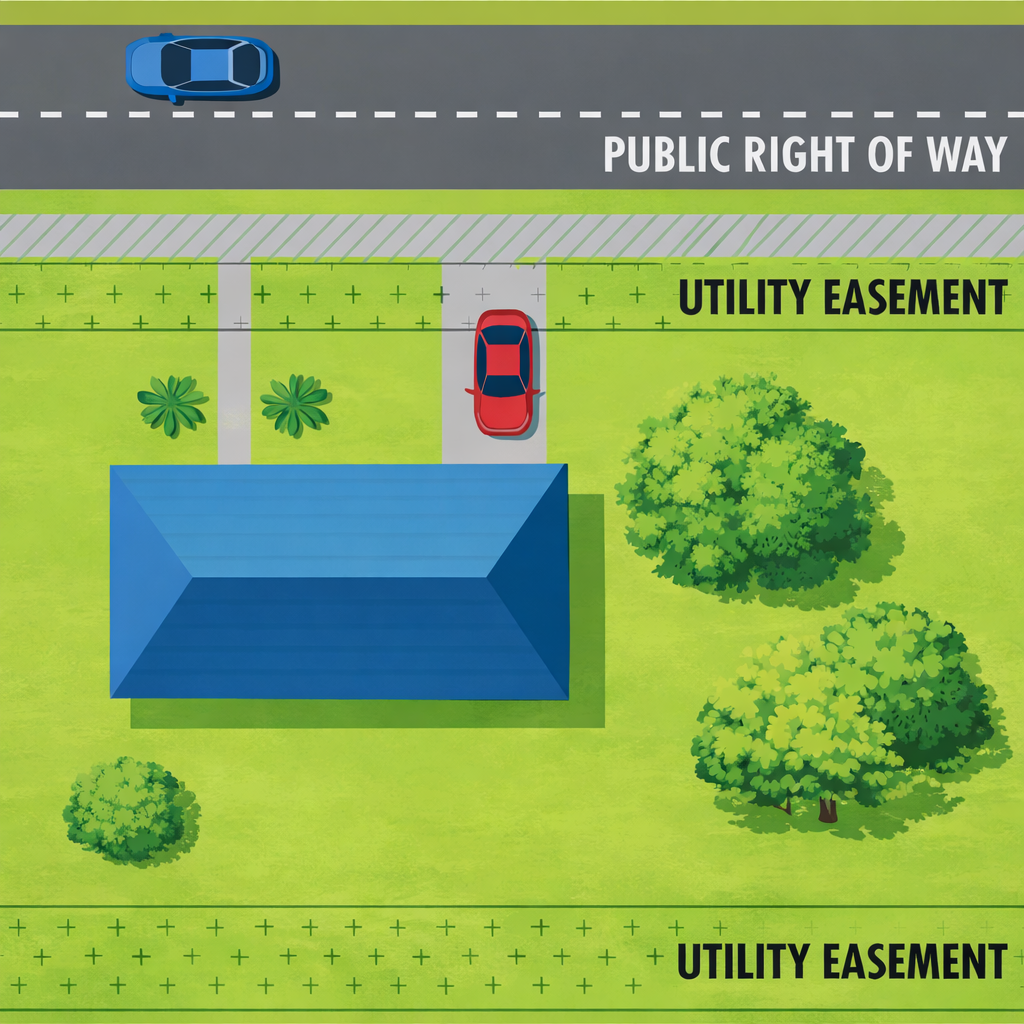
Public right of way and utility easement conflicts with developers and landowners.
On paper, grid upgrades look clean. A new substation bay. A reconductor here. A short stretch of new line to relieve congestion. Schedules get built around study timelines and utility milestones. Budgets get padded for contingency. Everyone assumes the hard part is the modeling.
Then the upgrade corridor hits land.
That is where interconnection delays quietly compound.
THE SETUP
A developer clears the queue hurdle and gets a conditional interconnection agreement. The upgrade scope is defined enough to price. Maybe it is a few miles of line work, maybe a new tap structure, maybe access to an existing right of way that has not been touched in decades. The upgrade is “utility-led,” so land is often treated as a downstream detail.
In reality, that upgrade footprint becomes a second land campaign layered onto the generation site. New parcels. New landowners. New expectations. Often new emotions, because these owners did not sign up for a solar farm or a wind project. They are being introduced to the project through the grid.
That distinction matters more than most teams expect.
A FIELD STORY
We have seen upgrade routes that looked straightforward on a screen. Parallel an existing line. Stay inside utility corridors. Minimal impacts. Then the first field visits start.

One landowner remembers the original line going in under condemnation thirty years ago and is not interested in another conversation. Another parcel has an access road that crosses a wet corner the utility assumed was dry. A third owner is fine with the line but wants assurances on restoration that go beyond the standard language
Meanwhile, the upgrade costs are ticking. Engineering is waiting on final alignment. The utility needs site control before final design. The developer is asking why a “minor” upgrade is acting like a full project.
From the land side, the answer is simple. No one owned the story early.
These landowners did not hear about reliability benefits or regional congestion relief. They heard rumors. Or they heard nothing until a survey request showed up. By the time the first real conversation happened, trust was already behind the schedule.
WHERE COSTS REALLY GROW
Interconnection upgrade costs rarely blow up because of steel prices alone. They grow because uncertainty stretches time. Time stretches staffing. Staffing stretches management attention. And land delays create redesigns that ripple backward into engineering and permitting.
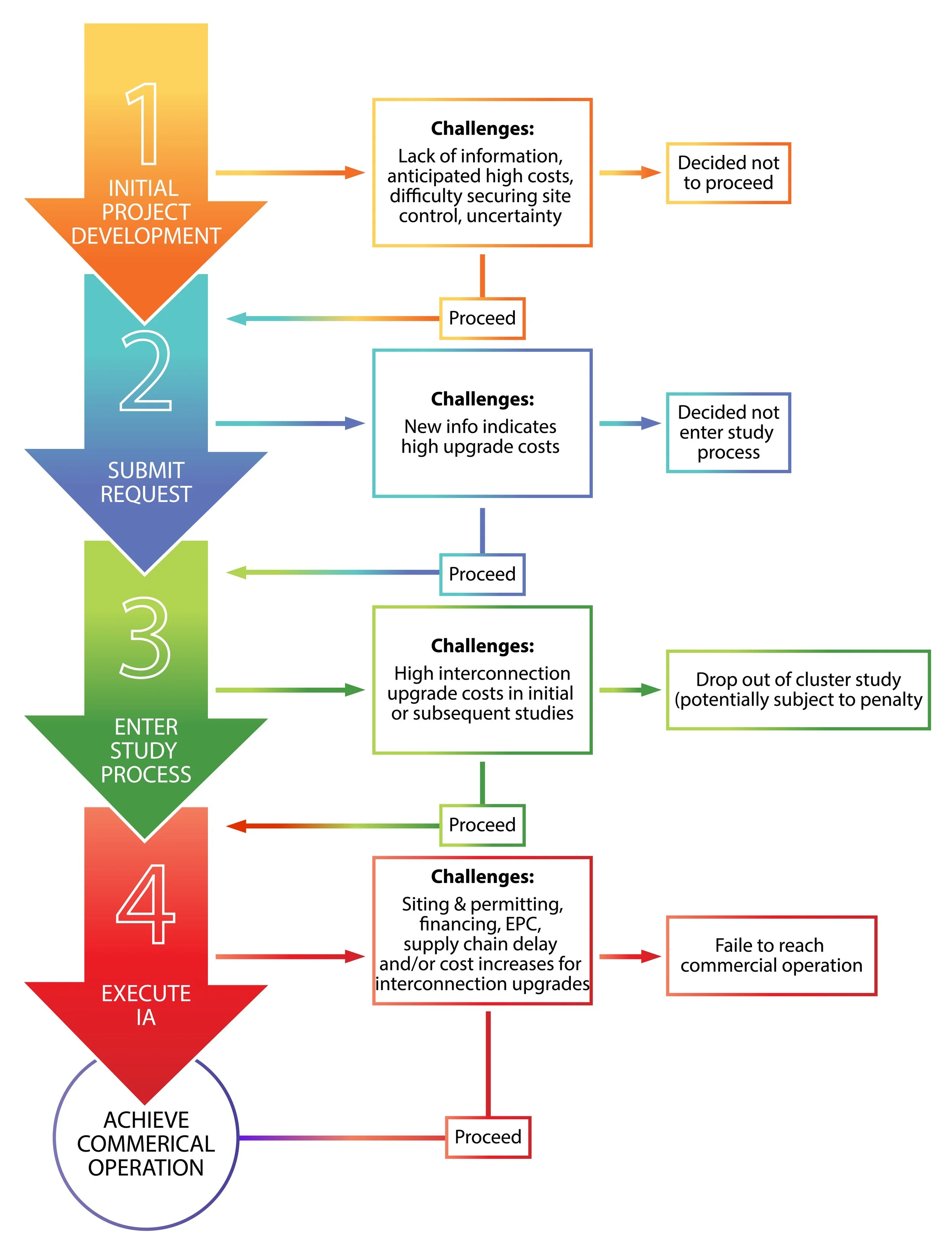
A small shift in alignment to avoid a disputed parcel can trigger new studies. A delayed survey can push construction windows into the next season. Crop cycles get missed. Compensation assumptions get revisited. Each of these is manageable on its own. Together, they become the overrun everyone points to later.
From the field, the pattern is consistent. When land is treated as a checkbox after interconnection, upgrade risk increases. When land is treated as part of the interconnection strategy itself, schedules tighten and costs stabilize.
THE LESSON
Interconnection backlogs are not just a utility problem. They are a coordination problem. Grid upgrades touch people who never planned to be part of the project. If they are not brought in deliberately, they will slow things down by default.

The lesson is not to rush landowners or oversimplify impacts. It is to recognize that grid work carries its own relationship burden. Ignoring that burden does not make it go away. It just makes it surface later, when the clock is louder.

FIELD NOTES
1. Treat upgrade land like a project, not a footnote
Grid upgrades need their own land strategy. That includes early parcel mapping, realistic timelines, and clear ownership of land tasks. If no one is accountable, delays are guaranteed.
2. Start conversations before surveys
The first call matters more with upgrade landowners because they did not opt in. Explain why the work exists, what is changing, and what stays the same. Silence creates suspicion faster than bad news.
3. Align utility and developer messaging
Inconsistent explanations kill trust. Landowners notice when the utility says one thing and the developer says another. Get alignment early, especially on access, restoration, and long-term use.
4. Budget for restoration like it is design-critical
Restoration is not a courtesy. It is a condition of consent. Underestimating it leads to negotiations that drag and costs that spike late.
5. Build land reality into interconnection schedules
If the upgrade requires new easements, assume it will take time. Plan for it openly. The schedule you acknowledge early is always cheaper than the one you deny.
CLOSING REFLECTION
From the field, grid upgrades are not abstract infrastructure. They are fences, gates, crops, roads, and kitchens where hard questions get asked. Interconnection studies may start the process, but people decide how fast it moves.
Projects that respect that truth tend to weather backlogs better. They do not avoid grid constraints, but they absorb them with fewer surprises. Over time, that consistency builds credibility with utilities, landowners, and internal teams alike.
And credibility, more than any model, is what keeps complex projects moving.